Canary Breeders Manual
1.
Foundations
1.1.
History of Canary Breeding
1.1.1
Wild Origins
1.1.2
European Development
1.1.3
Modern Breeding Eras
1.2.
Types of Canaries
1.2.1
Song Canaries
1.2.2
Colour Canaries
1.2.3
Type Canaries
1.2.4
Hybrids and Mules
2.
Genetics Masterclass
2.1.
Fundamentals of Canary Genetics
2.1.1
Core Terms
2.1.2
Colour Systems
2.2.
Genetics Probability Tables
2.2.1
Basic Punnett Outcomes
2.2.2
Sex-Linked Tables
2.2.3
Multi-Generation Forecasting
2.2.4
Practical Use
2.3.
Colour Mutation Atlas
2.3.1
Lipochrome Mutations
2.3.2
Melanin Mutations
2.3.3
Mosaic Systems
3.
Housing & Environment
3.1.
Cage Systems
3.1.1
Breeding Cages
3.1.2
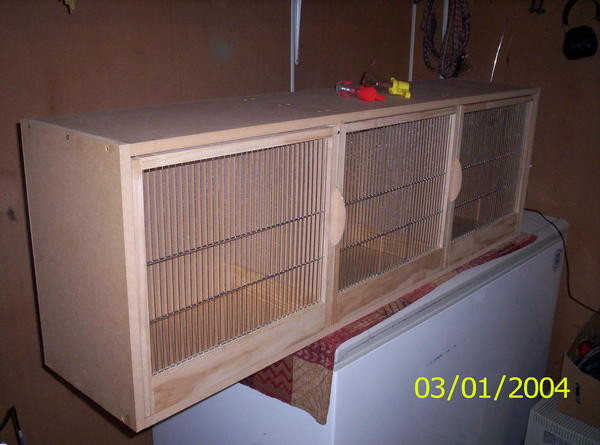
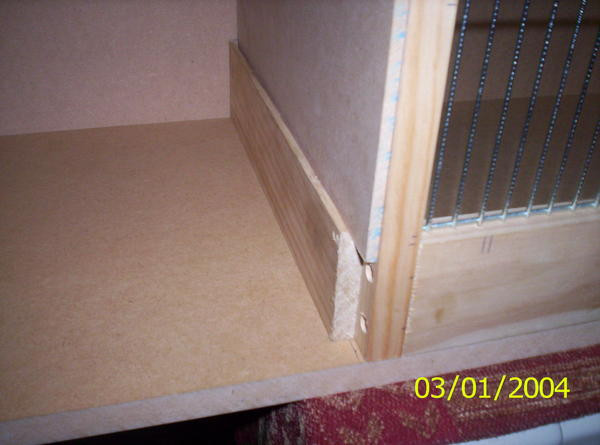
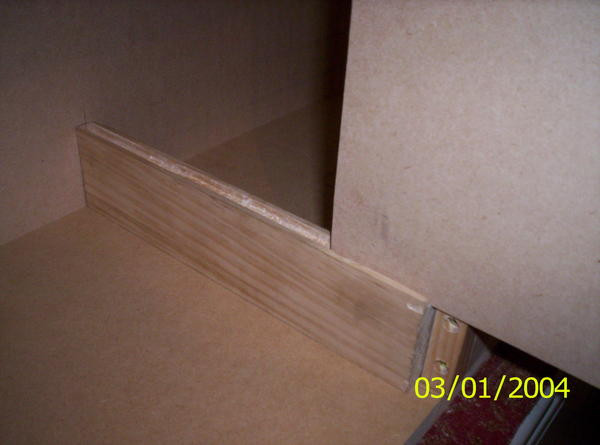
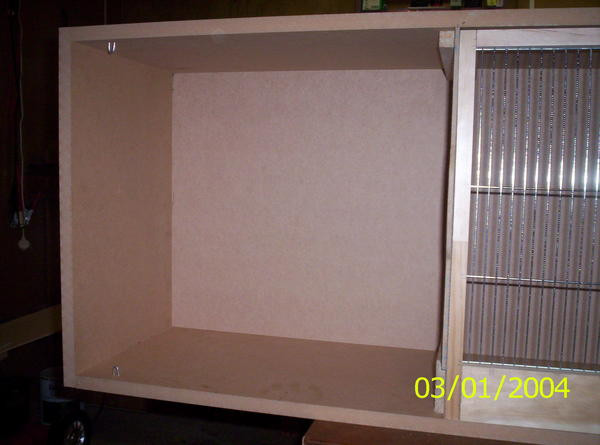
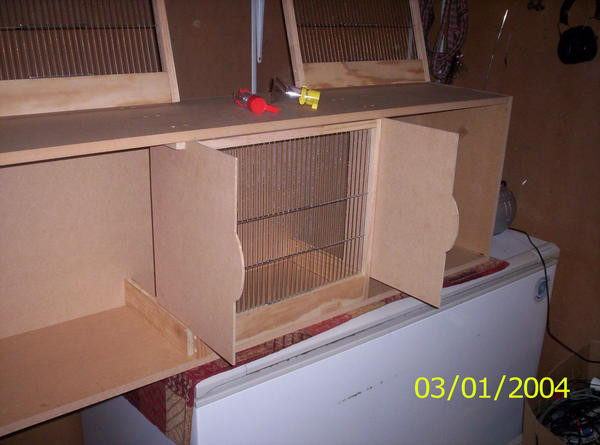
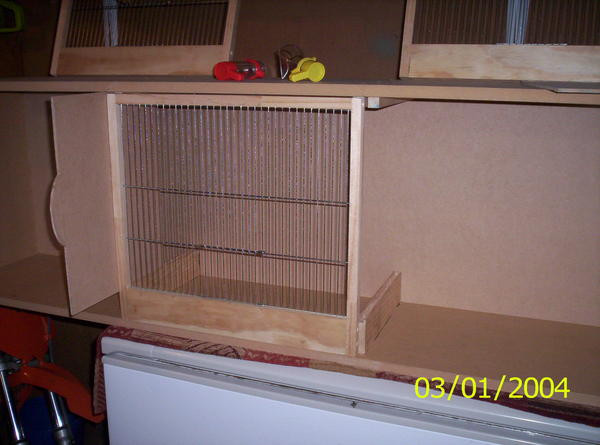
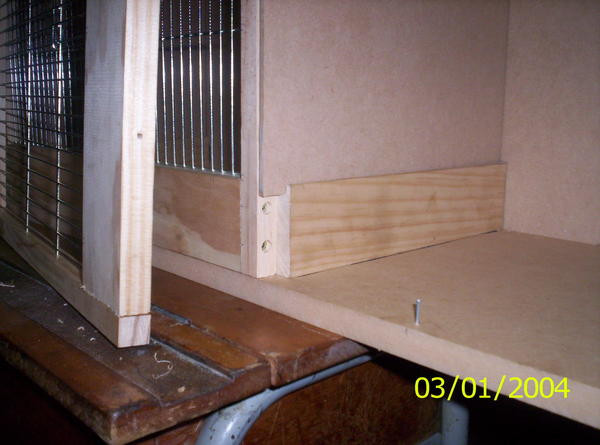
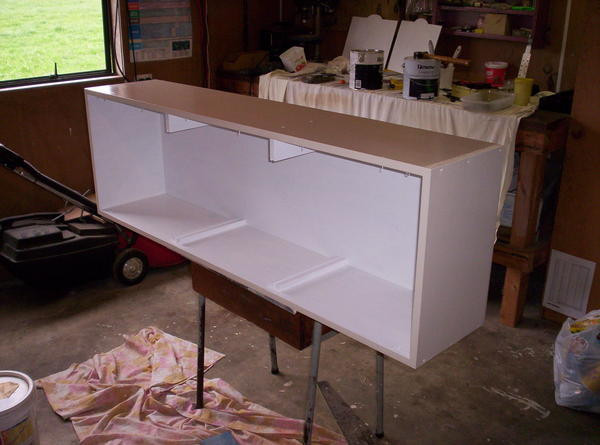
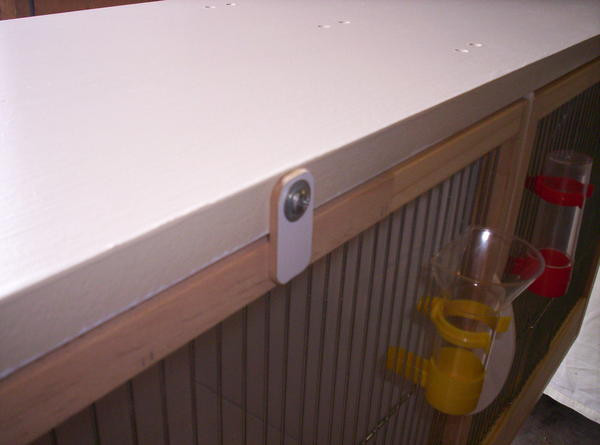
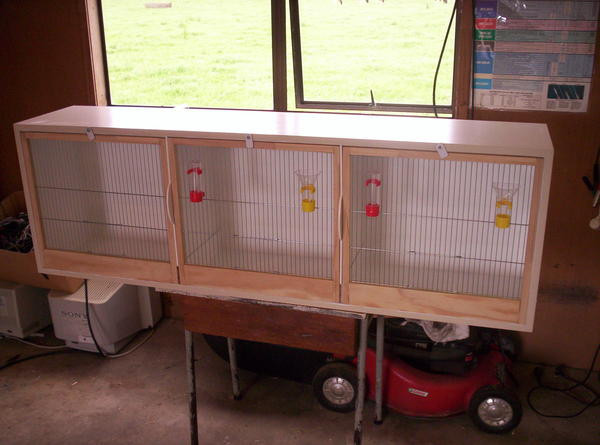
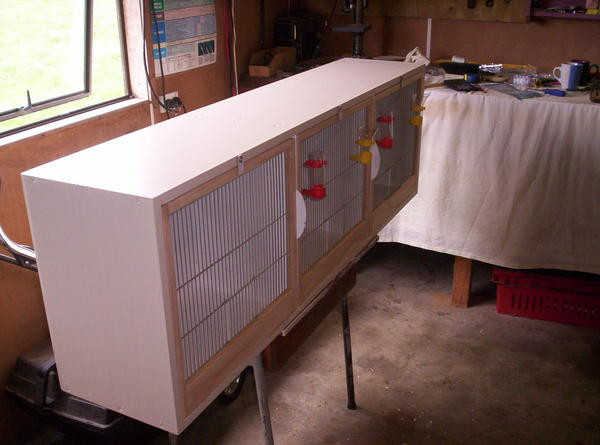
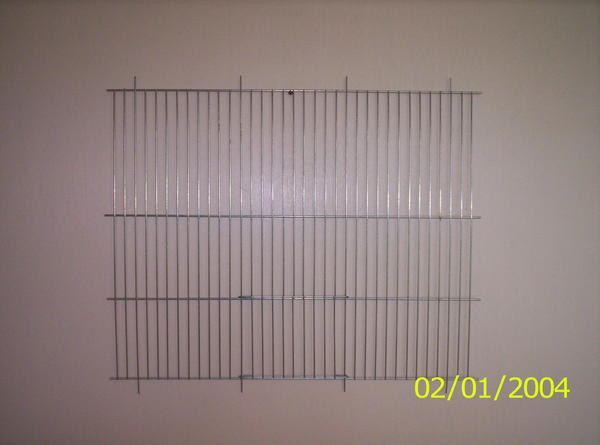
My triple Canary breeder boxs
3.1.3
Flights
3.1.4
Show Cages
3.2.
Aviary Engineering
3.2.1
Indoor Bird Rooms
3.2.2
Outdoor Aviary Design
3.2.3
Structural Materials
3.2.4
Environmental Control
3.3.
Aviary Blueprints
3.3.1
Starter Aviary (10 Pair)
3.3.2
Intermediate Aviary (30–50 Pair)
3.3.3
Advanced Breeder Facility
3.3.4
Construction Notes
4.
Nutrition Science
4.1.
Base Diets
4.1.1
Seed Formulation
4.1.2
Pellets vs Seeds
4.2.
Feed Formulation Tables
4.2.1
Conditioning Mix
4.2.2
Breeding Mix
4.2.3
Chick Rearing Formula
4.2.4
Moult Support Mix
5.
The Breeding Cycle
5.1
NZ Breeding Season Calendar
5.2
Breeding Preparation
5.3
Nesting Phase
5.4
Chick Development
6.
Health & Veterinary Care
6.1
Preventative Health
6.2.
Disease Decision Trees
6.2.1
Fluffed Bird, Lethargic
6.2.2
Rapid Weight Loss
6.2.3
Breathing Difficulty
6.2.4
Egg Binding Flow
7.
Advanced Breeding
7.1
Line Development
7.2.
Line Optimisation Strategies
7.2.1
Anchor Birds
7.2.2
Rotational Pairing
7.2.3
Trait Stabilisation
7.2.4
Bottleneck Recovery
7.3
Data-Driven Breeding Analytics
7.4
AI-Assisted Pairing Systems
8.
Showing & Exhibition
8.1
Understanding Show Standards
8.2
Conditioning Birds for Show
8.3
Show Day Strategy
9.
Record Keeping & Systems
9.1
Breeding Logs
9.2
Digital Breeder Software
10.
Facility Operations
10.1
Scaling a Breeding Operation
10.2
Workflow Design
10.3
Cost Analysis
11.
Ethics & Longevity
11.1
Ethical Breeding
11.2
Welfare Systems
11.3
Sustainability
12.
Book & Publishing Extras
12.1
Links and Resources
13.
Third Party Material
13.1
Line Breeding and Genetics
13.2
Breeding tips from The Duchess
13.3
Pertinent Points About Breeding Canaries
13.4
The use of yellows in a breeding program
13.5
Why Yellow and Buff
13.6
Judging Gloster Canaries
13.7
Partnerships
13.8
Achieving Fulfillment from your Hobby
13.9
Selecting your Retained Gloster Canaries
13.10
Glosters on the Show Bench
13.11
Moulting Glosters
13.12
A Simple Feeding Routine for your Glosters
13.13
Achieving Breeding Condition in Glosters
13.14
Wintering your Gloster Canaries
13.15
Letting them fly
13.16
Disease Prevention in Commercial Aviaries
13.17
The Canary Bath
13.18
Breeding Canaries – Planning ahead
13.19
Flight Cages & Aviaries – An Overview
13.20
Diet for Parents and Chicks
13.21
Canary Perches
13.22
Christines Eggfood Recipe
13.23
So, You Want to Breed Your Birds
13.24
Conditioning Canaries
Built with
from
Grav
and
Typemill
Canary Breeders Manual
>
Housing & Environment
>
Cage Systems
> My triple Canary breeder boxs
My triple Canary breeder boxs